

Navigating the world of testosterone therapies in Canada can be complex, especially with specific medications like testosterone enanthate gaining popularity among those seeking hormonal balance or performance enhancement. If you’re exploring options in Canada, understanding the context of testosterone enanthate canada—its availability, legal status, administration protocols, and associated risks—is essential to making informed decisions. This article provides a comprehensive deep dive into testosterone enanthate within the Canadian landscape, offering clarity and guidance for both medical professionals and prospective users.
Testosterone Enanthate in Canada: An Overview

Testosterone enanthate is a long-acting ester of testosterone, commonly used in hormone replacement therapy (HRT) for men with low testosterone levels. In Canada, it is one of the most prescribed testosterone formulations due to its efficacy and relatively convenient dosing schedule—typically administered every one to two weeks via intramuscular injections. The drug is recognized for its ability to restore hormonal balance, improve libido, muscle mass, mood, and overall vitality.
In the Canadian context, testosterone enanthate canada functions both within clinical settings and, controversially, in underground markets. Variability in access influences how individuals obtain and use it. While many healthcare providers prescribe it to qualified patients, others may seek alternative sources due to the barriers in obtaining prescriptions, highlighting the importance of understanding the medical landscape, regulatory environment, and potential implications for users.
Legality and Regulations Surrounding Testosterone Enanthate in Canada
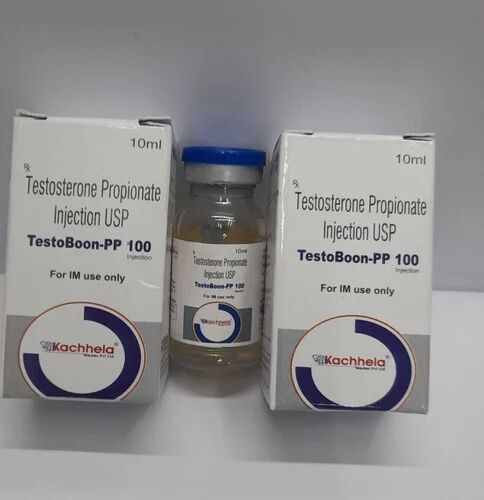
In Canada, testosterone enanthate falls under the Controlled Drugs and Substances Act (CDSA), classifying it as a Schedule IV substance. This legal classification requires a prescription from a licensed healthcare provider for lawful possession and use. The Canadian regulatory system emphasizes strict control over anabolic steroids to prevent misuse, abuse, and illegal distribution, aligning with public health priorities.
Despite these regulations, the underground market persists, driven by factors such as stigma, long wait times for prescriptions, or lack of access. Importing testosterone enanthate without authorization is illegal and can result in severe legal consequences, including fines and imprisonment. This regulatory framework underscores the importance for individuals to seek medical advice and obtain the medication legally to ensure safety and compliance. Additionally, recent discussions in Canadian healthcare circles focus on balancing access to legitimate treatments while preventing misuse, reflecting ongoing debates about drug policies.
Accessing Testosterone Enanthate: Canadian Options for Treatment
Access to testosterone enanthate canada through legitimate healthcare channels hinges on diagnostic evaluation by a physician. Typically, men with confirmed low testosterone levels—determined via blood tests—are eligible for hormone replacement therapy, including testosterone enanthate. In Canada, general practitioners and endocrinologists are the primary providers who can assess, prescribe, and monitor treatment, often including baseline and periodic blood tests to assess efficacy and safety.
However, many individuals encounter barriers such as long wait times, geographic limitations, or stigma surrounding hormonal therapy, prompting some to explore alternative options, including online clinics, unregulated sources, or international pharmacies. While online healthcare providers may offer prescriptions after virtual assessments, patients must exercise caution to verify their legitimacy and ensure compliance with Canadian law. Ultimately, the best approach remains consulting a licensed healthcare professional who can provide personalized, safe, and legally compliant treatment plans for testosterone therapy.
Potential Benefits and Risks of Testosterone Enanthate Use in Canada
Using testosterone enanthate in Canada offers numerous potential benefits, especially for those diagnosed with hypogonadism or other medically-approved indications. Benefits include improved energy levels, increased muscle strength, enhanced libido, better mood regulation, and overall quality of life enhancements. When managed appropriately by healthcare professionals, testosterone enanthate can be a safe and effective treatment, helping restore hormonal equilibrium and alleviate symptoms associated with low testosterone.
Nonetheless, it carries inherent risks, including the possibility of cardiovascular issues, hormonal imbalances, mood swings, and prostate health concerns if misused or improperly dosed. In Canada, physicians emphasize monitoring and individualized dose adjustments to mitigate adverse effects. Additionally, unsupervised or recreational use, often sought by athletes or bodybuilders, can lead to serious side effects such as gynecomastia, liver strain, or hormonal shutdown. Users should understand that the lack of proper medical supervision can turn what could be a beneficial therapy into a hazardous endeavor, making informed, cautious use crucial.
Dosage and Administration Guidelines for Testosterone Enanthate in Canada
The prescribed dosage of testosterone enanthate in Canada depends on the individual’s medical condition, age, and response to therapy. For most adults undergoing treatment for testosterone deficiency, typical starting doses in clinical practice range from 100 to 200 mg administered intramuscularly every one to two weeks. Healthcare providers tailor dosages based on regular blood tests, monitoring testosterone levels, and addressing any side effects to optimize outcomes and minimize risks.
Proper administration also requires adherence to injection techniques and site rotation to prevent tissue damage or infection. Patients are advised to follow their healthcare professional’s instructions strictly and attend regular follow-up appointments for blood work and assessment. For those using testosterone enanthate without medical supervision—an approach strongly discouraged—the risk of overdose, adverse effects, and complications increases significantly. Therefore, responsible use, guided by healthcare providers, remains essential to reap benefits safely and effectively.
Finding Reliable Information and Healthcare Providers for Testosterone Enanthate in Canada
Accessing credible information about testosterone enanthate in Canada can be challenging amid misinformation and unregulated sources. Reliable healthcare providers—endocrinologists, urologists, or general practitioners—are best equipped to evaluate individual needs, perform necessary blood tests, and prescribe testosterone safely. Canadians are encouraged to seek referrals through their primary care providers or local clinics, as private clinics specializing in hormone therapy are also available in many cities.
Furthermore, reputable online medical platforms can offer guidance, support, and direct access to Canadian-licensed physicians. When considering treatment, individuals should verify the credentials of providers and ensure they follow Canadian regulatory standards. Educating oneself about potential side effects, proper dosing, and legal considerations is vital, and patient support groups or trusted medical resources can offer additional insights. Ultimately, prioritizing professional guidance ensures that testosterone therapy is administered ethically, legally, and safely within the Canadian healthcare framework.
Conclusion
Navigating the landscape of testosterone enanthate canada involves understanding its therapeutic benefits, legal constraints, and responsible usage protocols. While it offers significant potential for improving quality of life in men with hormonal deficiencies, improper use—particularly outside medical supervision—poses risks that outweigh benefits. Canadians seeking testosterone enanthate should prioritize consulting licensed healthcare providers, adhere strictly to prescribed dosages, and stay informed about their treatment options and legal obligations. As ongoing discussions about access and regulation continue, maintaining a focus on safety, legality, and evidence-based practices remains the cornerstone of successful and responsible hormone therapy in Canada.