

When discussing performance-enhancing drugs, winstrol (also known as stanozolol) often emerges as a prominent name. Known for its unique ability to promote muscle growth and improve athletic performance with relatively fewer side effects than other anabolic steroids, winstrol has garnered both admiration and caution in equal measure. This widely used yet heavily regulated substance is popular among bodybuilders, athletes, and fitness enthusiasts seeking rapid results, but it also carries risks that demand a thorough understanding. This article delves deep into the intricacies of winstrol, covering its history, administration protocols, risks, benefits, legal considerations, and safer alternatives.
Winstrol – An In-Depth Overview of Stanozolol
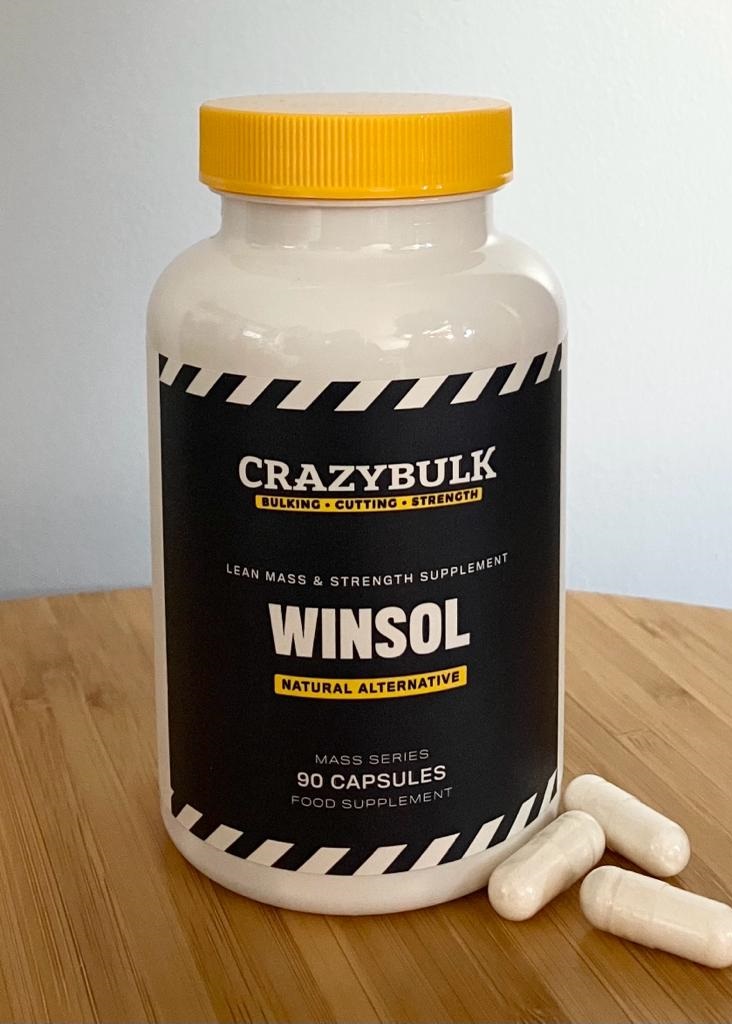
Winstrol—or stanozolol—is a synthetic derivative of testosterone that has been used medically for decades, initially as a treatment for anemia and other conditions related to muscle wasting. Its formulation allows it to promote lean muscle development, increase strength, and improve vascularity without significant water retention. Unlike many anabolic steroids, winstrol has a unique ability to promote muscle hardness and definition, which is why it is often favored for cutting cycles where fat loss and muscle preservation are essential.
Chemically, winstrol is distinguished from other steroids by its lowered androgenic activity and increased anabolic effects observed in clinical use. Its oral and injectable forms are widely available, though the bioavailability of oral winstrol is higher due to its resistance to liver breakdown, making it a preferred choice for quick results. Despite its effectiveness, winstrol‘s properties make it a double-edged sword, necessitating a nuanced understanding of administration, timing, and potential health ramifications. Notably, the drug’s popularity persists as fitness goals have evolved, driven by its reputation for delivering noticeable gains with minimal water retention.
Winstrol Cycles – Dosage, Administration, and Results
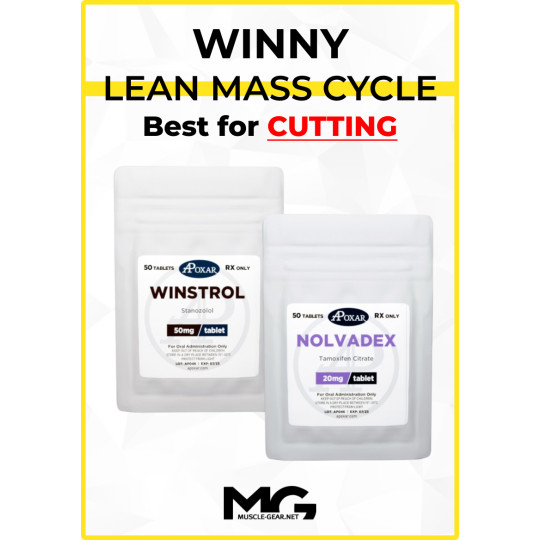
Designing a winstrol cycle is a meticulous process that hinges on individual goals—whether bulking for size or cutting for definition. Typical dosages vary, but for athletic enhancement, most users start with the oral dose of around 25-50mg per day, with some extending to 100mg for more aggressive results. Injectable forms are often administered at 50mg every other day, offering an alternative for those who experience gastrointestinal issues with oral tablets. The cycle length generally ranges from 6 to 8 weeks, as prolonged use significantly increases the risk of adverse effects, especially liver toxicity and hormonal imbalance.
When combining winstrol with other substances, experienced users often say stacking it with testosterone or cutting agents like trenbolone can yield enhanced results. However, stack choices must be carefully managed, especially considering winstrol‘s suppressive effect on natural testosterone production. Proper post-cycle therapy (PCT) is essential to restore hormonal balance after a cycle. The most immediate results from winstrol include increased muscle hardness, improved vascularity, and a notable enhancement in athletic performance, especially in explosive and power-based sports. Nonetheless, sustained and safe use calls for a disciplined approach, adherence to dosage guidelines, and monitoring of health markers.
Potential Side Effects and Risks Associated with Winstrol Use
While winstrol is often regarded as safer than many anabolic steroids, it is far from risk-free. One of the primary concerns is hepatotoxicity, especially with oral forms, which can lead to liver stress or damage if used excessively or without proper liver support. The compound’s androgenic properties can also provoke acne, hair loss, and increased aggression in some users. Furthermore, winstrol suppresses endogenous testosterone production, which can lead to hormonal imbalances—potentially causing libido issues, fatigue, and mood swings.
Beyond these more immediate concerns, long-term or high-dose use of winstrol increases the risk of cardiovascular complications such as elevated LDL cholesterol levels, decreased HDL, and potential strain on the heart. It can also cause joint pain and dryness, often cited as a downside during cutting phases. Considering these risks, it’s crucial that users undergo regular blood work, maintain a healthy diet, and avoid exceeding recommended dosages. Despite its reputation for fewer side effects relative to other steroids, winstrol demands respect and cautious use to minimize health hazards.
Winstrol and Performance Enhancement – Exploring the Benefits and Drawbacks
Discussions surrounding winstrol often focus on its capacity to elevate athletic performance in a variety of sports. Many athletes appreciate its ability to harden muscles, improve strength without significant weight gain, and enhance vascularity—all without excessive water retention. This makes it highly desirable during cutting phases where muscle definition is paramount. Its relatively low androgenic activity also means fewer androgenic side effects in many users, which further increases its appeal in competitive sports where appearance and performance are both judged.
However, the drawbacks of winstrol are just as significant. While it can provide rapid and visible improvements, these gains are often transient if proper post-cycle therapy and training aren’t maintained. Overreliance on winstrol can lead to dependency or masking underlying health issues related to hormonal imbalance. Moreover, it may do little to promote substantial mass gains in bulk cycles, making it less suitable for those looking for aggressive growth rather than aesthetic improvements. Its subtle yet impactful performance benefits come with the important caveat that the underlying health risks could outweigh the gains if misused or overused.
Legal Status and Regulations Surrounding Winstrol
The legal and regulatory landscape for winstrol is complex and varies significantly across different countries. In many places, winstrol is classified as a controlled substance due to its potential for abuse, side effects, and performance enhancement. For example, in the United States, it is a Schedule III drug under the Controlled Substances Act, making it illegal to possess or sell without a prescription. Similar regulations exist in Australia, the UK, and Canada, reflecting widespread acknowledgment of its potential dangers.
Despite these restrictions, winstrol remains widely available on the black market, often in counterfeit or adulterated forms, which complicates safe usage. Athletes and bodybuilders seeking to avoid legal repercussions must weigh the potential risks of legal penalties and health hazards. Some countries have also implemented doping control policies explicitly banning winstrol in competitive sports, with drug testing protocols designed to detect its presence. The ethical, legal, and health considerations surrounding winstrol underscore the importance of understanding and respecting regional laws, as well as exploring safer, legal alternatives.
Winstrol Alternatives – Safer Options for Achieving Fitness Goals
While winstrol might be tempting for rapid results, the risks associated with its use call for safer alternatives for those seeking to enhance performance or physique. Natural supplements like creatine, beta-alanine, and branched-chain amino acids (BCAAs) have shown to support muscle growth and recovery without the adverse health effects. Additionally, SARMs (selective androgen receptor modulators) are often marketed as safer options, although they are not without controversy and potential long-term risks. The emphasis on proper nutrition, consistent training, and sufficient rest remains the most reliable foundation for sustainable progress.
For those aiming for cutting or bulking cycles, substances like clenbuterol (for cutting) or testosterone boosters (for natural hormone support) can provide effectivity within legal and safer boundaries. It’s important to consult healthcare professionals or qualified trainers to develop personalized and safe plans that align with health, performance, and ethical considerations. Educating oneself about the true costs and benefits of winstrol versus its safer alternatives is vital for making informed decisions that prioritize health, legality, and long-term well-being.
Conclusion
In conclusion, winstrol stands out among performance-enhancing drugs for its ability to deliver muscle definition, strength, and vascularity with a relatively lower androgenic burden. However, its use is not without significant health risks, including liver toxicity, hormonal disruption, and cardiovascular strain. While it can be effective in achieving refined physiques and enhancing athletic performance, responsible use, proper monitoring, and understanding legal implications are critical. Safer and legal alternatives exist that can help fitness enthusiasts reach their goals without compromising health and compliance. Ultimately, informed and cautious approaches—combining disciplined training, nutrition, and legal supplements—offer the best path toward sustainable fitness success and well-being.