


In the pursuit of muscle growth, athletic performance, and aesthetic transformation, many individuals turn to steroid for sale options. Whether you’re a seasoned bodybuilder or an enthusiast exploring options, understanding the nuances behind steroids, including their legal, health, and ethical implications, is crucial. As demand increases, so does the complexity of sourcing these substances, which underscores the importance of education and responsible decision-making in this arena.
Understanding the Legal Landscape of Steroid Sales
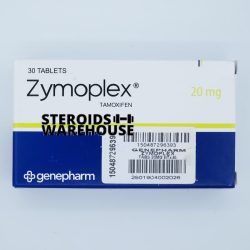
The legal environment surrounding the steroid for sale industry is complex and varies dramatically across different countries and regions. In many jurisdictions, anabolic steroids are classified as controlled substances, making their sale, possession, or distribution illegal without proper medical authorization. For example, in the United States, steroids are Schedule III controlled substances under the Anabolic Steroid Control Act, which criminalizes unlicensed sale and distribution, aiming to curb abuse but also complicating legitimate medical use.
This legal landscape creates a fragile environment for consumers seeking steroids, as numerous underground labs and black-market vendors capitalize on the demand. While some countries have more lenient laws—such as Mexico, Thailand, or certain Eastern European nations—the risks of counterfeit and unsanitary products are significant. Understanding the laws governing steroid sale in your region is crucial, not only to avoid legal repercussions but also to ensure safety. Consumers should be aware that sourcing steroids illegally can lead to significant legal penalties, including fines and imprisonment, and pose risks to health due to unregulated manufacturing standards.
Risks and Side Effects Associated with Anabolic Steroid Use

The pursuit of muscularity through steroids carries considerable health risks, many of which are well-documented yet often underestimated by users driven by the desire for rapid results. Physical side effects include hormonal imbalances leading to gynecomastia, water retention, acne, and hair loss. Longer-term effects can manifest as liver damage, cardiovascular issues such as hypertension and increased cholesterol, and even psychological effects like aggression and mood swings—sometimes termed “roid rage.”
In addition to the physical risks, steroid use can disrupt the body’s natural hormonal balance, suppressing endogenous testosterone production. This suppression can lead to testicular atrophy and infertility, sometimes necessitating post-cycle therapy or medical intervention to restore normal function. Misuse or overuse amplifies these risks significantly, emphasizing that the steroid for sale options accessible without proper medical oversight are particularly dangerous. Users should weigh these health considerations carefully and recognize that no shortcut bypasses the body’s regulatory mechanisms without consequences.
Legitimate Alternatives to Steroids: Exploring Safer Options
For those seeking performance gains or aesthetic improvements without the perilous risks associated with anabolic steroids, several safer alternatives exist. These options encompass natural supplements, optimized nutrition, and training programs that maximize endogenous hormone production. Natural supplements such as creatine, beta-alanine, and branched-chain amino acids (BCAAs) can support muscle growth without hormonal disruption. Moreover, scientifically-backed nutritional strategies combined with consistent training can deliver impressive results over time.
Emerging research also highlights the potential of selective androgen receptor modulators (SARMs)—though still under investigation—to offer similar benefits with fewer side effects. While they are not necessarily free from risks, SARMs are considered by some as a more controlled approach, especially when used under medical supervision. Ultimately, a focus on a disciplined lifestyle that emphasizes proper diet, adequate rest, and smart training can produce sustainable gains. This approach enables enthusiasts to reach their goals safely, sidestepping the moral, legal, and health pitfalls surrounding steroid use.
Identifying Reputable Sources and Avoiding Counterfeit Steroids
Choosing trustworthy sources for steroids is critical, particularly given the proliferation of counterfeit products circulating online and on the black market. Authentic sources typically operate within a regulated pharmaceutical framework or through licensed clinics that provide prescriptions. Verification involves checking for proper labelling, production batch numbers, and medical certifications. Engaging with well-known pharmacies or clinics that adhere to strict standards can significantly reduce the risks of counterfeit or contaminated products.
Avoiding counterfeit steroids also entails researching vendor reputations thoroughly—reading reviews, seeking recommendations from experienced users, and verifying third-party testing reports where available. The rise of online forums and community groups offers insights into reliable suppliers, but consumers must remain vigilant against scams and fake products that can cause serious health issues. Ultimately, choosing reputable sources minimizes danger, ensures product efficacy, and respects the legal boundaries governing steroid distribution.
The Role of Steroids in Sports and Bodybuilding: Ethical Considerations
Steroids have long played a contentious role within competitive sports and bodybuilding, igniting debates about fairness, natural talent, and the essence of athletic achievement. While many athletes use steroids to enhance performance, this practice undermines principles of fair play and arguably promotes unethical conduct. Major sporting authorities have implemented stringent anti-doping regulations to preserve integrity, yet clandestine use persists. The controversy lies in balancing personal autonomy with the collective need for equitable competition.
On a broader moral level, the widespread use of steroids raises questions about body image, societal pressures, and health responsibility. Athletes and bodybuilders should consider whether the pursuit of excellence justifies the potential risks to health and reputation. As the industry evolves, there is a growing call for transparency and testing standards to deter illicit steroid use, echoing a societal shift towards promoting natural performance and holistic health. The dialogue must incorporate education about risks and ethics, ensuring athletes make informed decisions about their careers and well-being.
Health and Wellness Strategies for Post-Cycle Therapy (PCT)
After completing a steroid cycle, many users engage in Post-Cycle Therapy (PCT) to mitigate hormonal imbalances and restore natural testosterone production. PCT involves using medications such as selective estrogen receptor modulators (SERMs) like tamoxifen or clomiphene citrate, combined with supportive supplements, to prevent estrogen-related side effects and restart endogenous testosterone synthesis. Implementing an effective PCT plan is essential for preserving gains, minimizing recovery time, and maintaining overall health.
Beyond pharmacological interventions, adopting healthy lifestyle practices such as proper nutrition, adequate sleep, and minimal stress are key to successful recovery. Monitoring hormone levels through blood tests during and after PCT provides valuable insights into recovery progress. Importantly, users must recognize that PCT is not just a technical step but a vital component of responsible steroid use—serving as a reminder that enhancing athletic performance should never compromise long-term health or wellness.
Conclusion
Navigating the world of steroid for sale demands a comprehensive understanding of its legal status, health implications, ethical considerations, and safer alternatives. While steroids can offer significant benefits for muscle growth and performance, their risks—both legal and health-related—are substantial and often underestimated. Empowered with knowledge about the legal landscape, potential side effects, and reputable sources, individuals can make informed decisions that prioritize health and integrity. Exploring natural approaches and responsibly managing post-cycle recovery underscores the importance of aiming for sustainable and ethical fitness goals. Ultimately, embracing a balanced, educated perspective ensures that pursuits of physical excellence do not come at the expense of personal health or societal values.